Filipino Martial Arts – Arnis, Eskrima, & Kali
A nerdy trip.
In early 2024, my mother and I started talking about taking a trip to the Philippines with my son and sister. Beyond being an incredible trip, it gave me a chance to reconnect with my uncle and helped us plan an unforgettable journey. Most importantly, it reignited my excitement about my roots.
Around that same time, Disney+ released The Acolyte, featuring Manny Jacinto as a Sith who uses Filipino Martial Arts (FMA). I used to not care much about representation in media, but seeing the recent rise of Filipino actors and the growing recognition of our culture, changed that. Suddenly, I cared… a lot.
So, what does my inner nerd do?
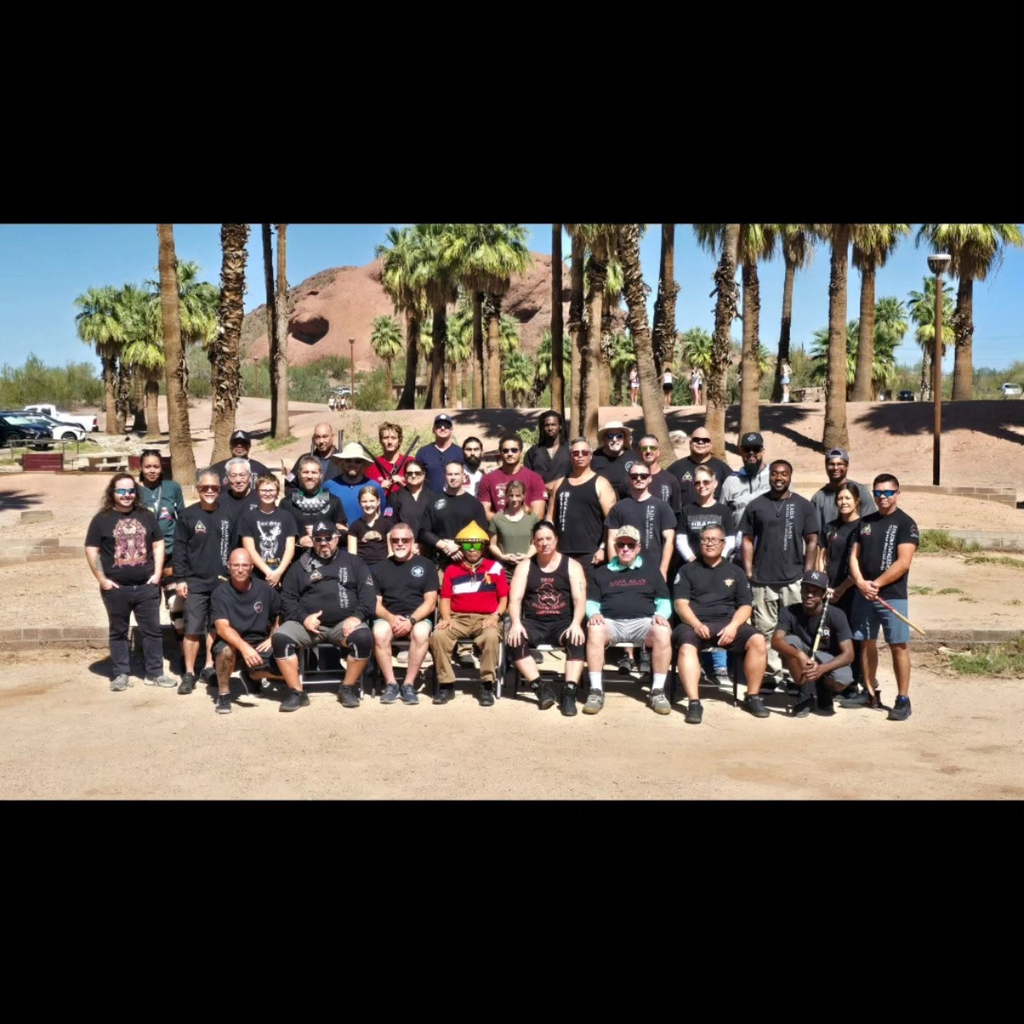
I started researching FMA and discovered a local school, Eskrima DeCuerdas, offering classes just 10 minutes from my house! My son even joined me for the first session, and everyone there was incredibly welcoming.
Naturally, training led to a deep dive into the history of FMA, its impact on broader martial arts, and its connection to my heritage.
Did you know‽
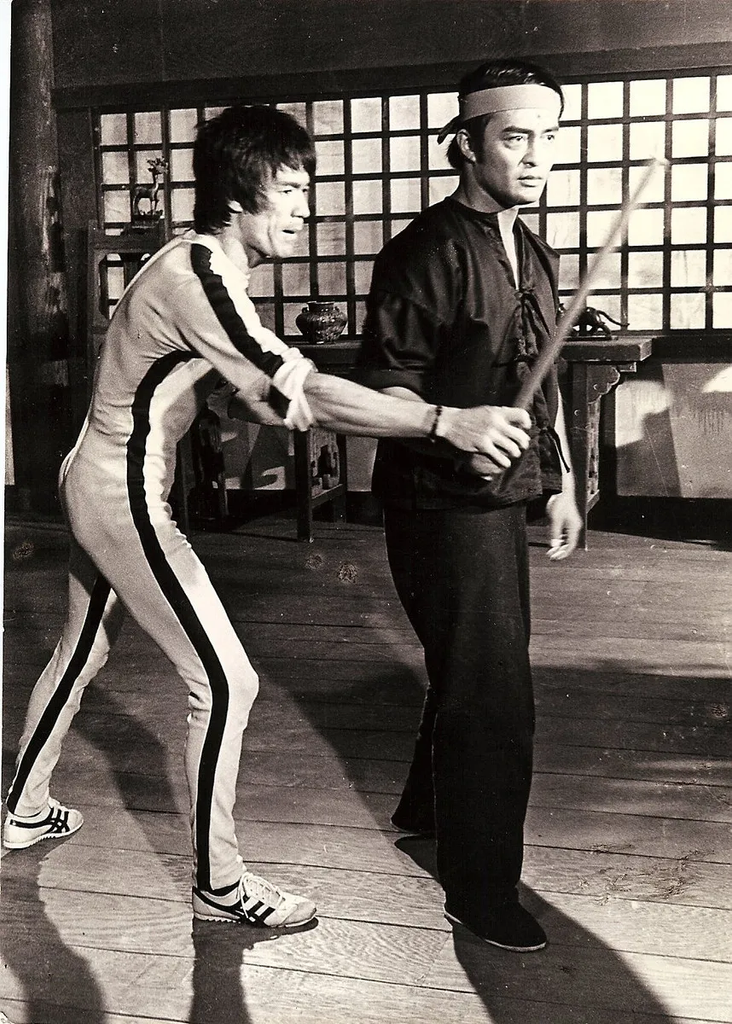
One of Bruce Lee’s key students was Dan Inosanto, a Filipino martial artist. They trained together, and Dan even appeared in Bruce Lee’s movies. According to Wikipedia, Dan holds instructor or black belt ranks in traditional Karate, Judo, Jujutsu, Kung Fu, Shooto, Muay Thai, Tai Chi, Arnis, and Jeet Kune Do.
And guess what? Dan has a daughter, Diana Lee Inosanto. She plays Morgan Elsbeth, in Star Wars movies Ahsoka and Mandalorian. Her godfather was Bruce Lee!

Seriously, I’ve completely nerded out over this. I’ve met Eugene Cordero and Manny Jacinto in Phoenix at a convention and I study FMA like Diana and Manny have. Freaking cool!
Okay, back to the FMA details.
I know it’s subjective, but martial artist Jessie Enkamp ranked various combat styles, and FMA earned a high spot on the list.
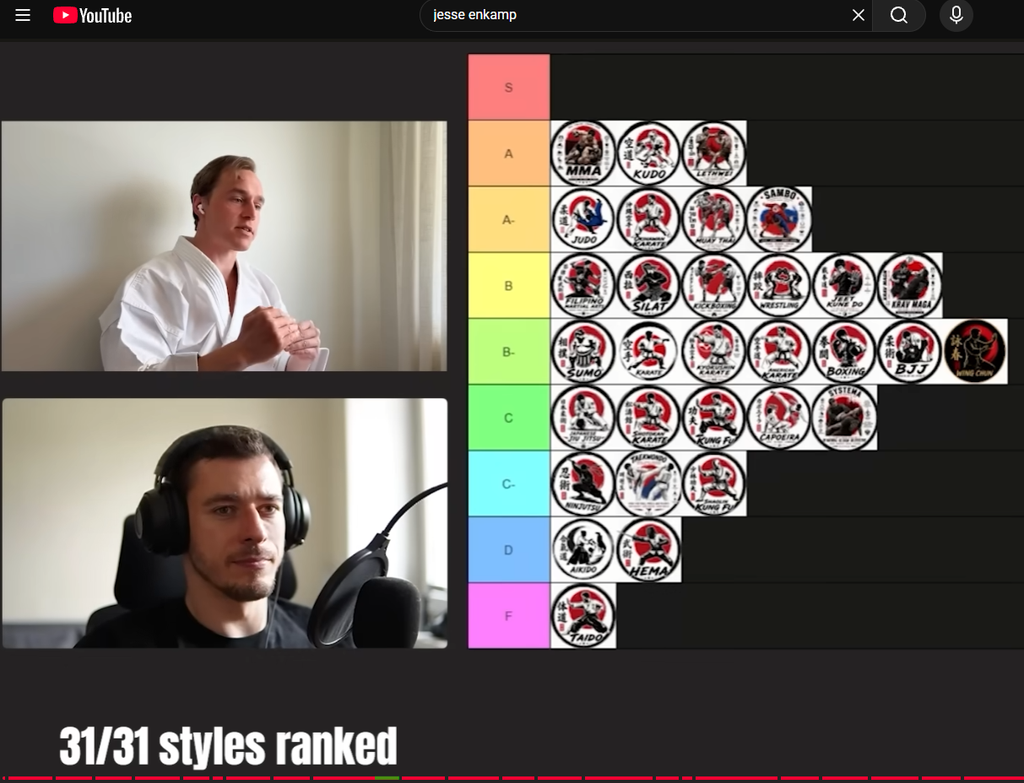
Plus, if FMA is good enough for the founder of the Knights of Ren… Then its good enough for you!
Wait, who were the knights of Ren?
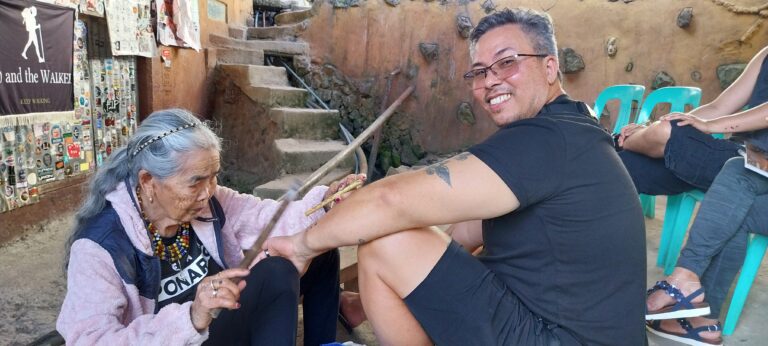
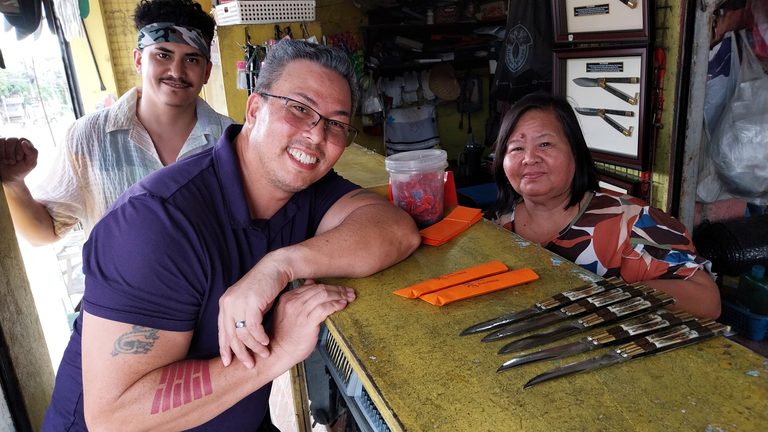
Bringing it all full circle back to the Philippines: while on our trip, my son and I bought a set of traditional rattan sticks. They’ve now become my main training weapons for FMA practice at home.
The Roots: Where It All Started
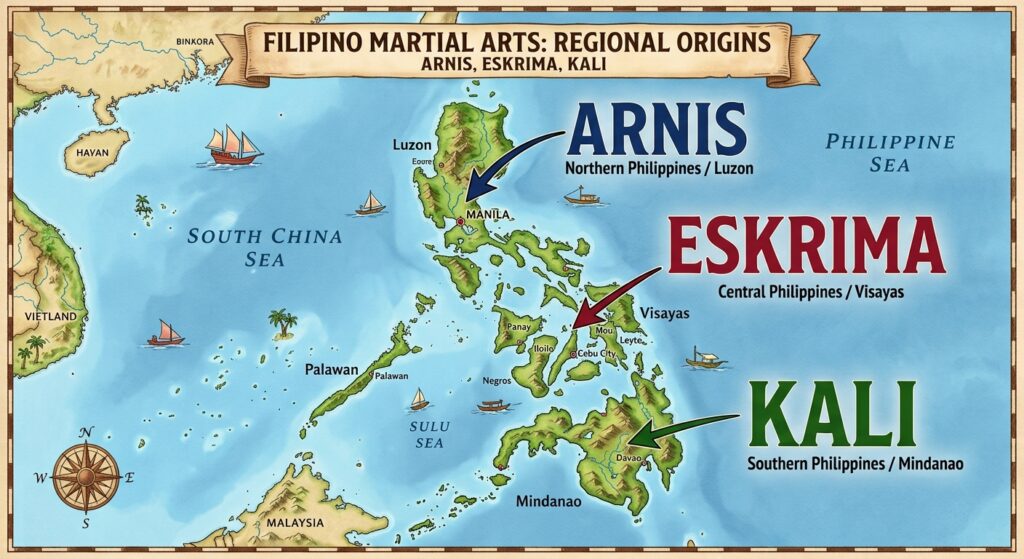
Filipino Martial Arts, known variously as Eskrima, Arnis, or Kali depending on the region. (Arnis from the North, around Manila, Eskrima from Central, around Cebu, and in the South, Kali) didn’t originate in a pristine, quiet dojo. It was forged out of necessity on the battlefield.
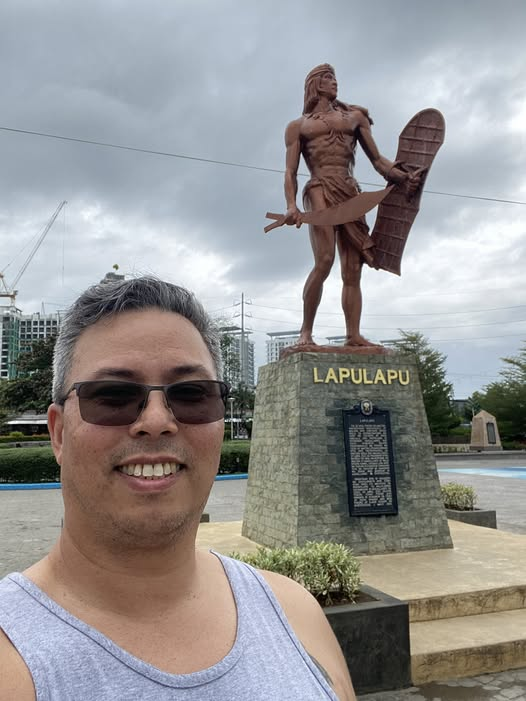
Before foreign colonizers ever set foot in the archipelago, native island tribes developed practical, fluid fighting systems using blades, spears, and hand-to-hand tactics for survival and territory defense. When Spanish conquistadors arrived in the 1500s, local warriors, most famously under Datu Lapulapu at the Battle of Mactan, used these blade and stick combat styles to defend their lands.
During the centuries of Spanish colonial rule that followed, traditional weapon training was outlawed. The arts survived by going underground: practitioners disguised their strikes and footwork inside traditional cultural dances (like Sinawali) and theatrical play re-enactments.The techniques were preserved in plain sight, passed down quietly through families from generation to generation.
How FMA Is Practiced Today
Unlike many traditional martial arts that spend years teaching empty-hand forms (kata) before ever touching a weapon, FMA flips the script: you start with a weapon in your hand on day one.
- Weapons-First Mechanics: Training usually begins with single or double rattan sticks (baston). The core philosophy is that learning distance, timing, and angle of attack with a tool makes your hands, feet, and improvised everyday objects infinitely faster and more precise later.
- Flow Drills and Patterns: A major chunk of modern practice revolves around fluid partner drills. You learn double-stick weaving patterns (Sinawali), weapon trapping, and disarming techniques (Sumbrada). It feels like a high-speed, high-energy chess match where you are reacting to continuous flow rather than memorizing rigid stances.
- Combative Adaptability: Because FMA evolved directly into real-world applications—from WWII guerrilla resistance to modern tactical close-quarters combat, it translates smoothly across padded stick sparring, blade defense, joint locks, and open-hand striking (Panantukan).
Today, FMA bridges deep historical respect with modern utility, whether trained for practical self-defense, tactical readiness, or screen combat in major Hollywood action choreography.
I think you should learn FMA. Want to find an FMA place near you?